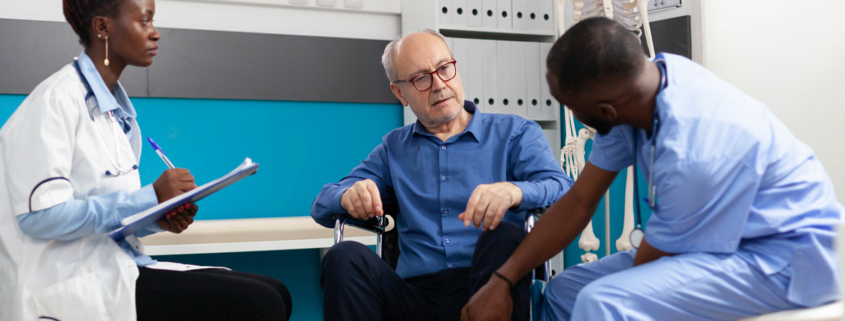


Healthcare provider talking with a veteran about recovery and addiction treatment services.

How to Support Veterans Facing Trauma and Substance Abuse

For many veterans, returning home can be just as challenging as deployment itself. The transition from military to civilian life often comes with complex emotional, physical, and psychological hurdles — and for some, a higher risk of substance abuse. Read more

Family gathering during the holiday season.

Tips for Staying Sober During the Holidays: A Survival Guide

The holiday season is meant to bring joy, connection, and celebration, but for those in addiction recovery, it can also bring unique challenges. Between family gatherings, holiday parties, and long-standing holiday traditions, the pressure and emotional stress of the season can increase the risk of relapse.

You’ve worked hard to achieve sobriety, and you deserve to enjoy the holidays on your terms. With a little planning, support, and self-compassion, it’s possible to stay grounded, protect your recovery, and find real joy in a substance-free season. Read more

A photo of Narcan nasal spray.

Overdose Awareness: How You Can Save a Life

Overdoses are a growing public health concern, affecting individuals, families, and communities across the country. According to the Centers for Disease Control and Prevention (CDC), there are more than 100,000 overdose deaths each year — and those numbers continue to climb.

Behind each of these numbers is a person, a family, and a story. The tragedy of overdose doesn’t just affect people struggling with long-term substance use disorder; it can also impact someone experimenting for the first time, a person misusing prescription medication, or even someone who accidentally takes more than the recommended dose.

That’s why overdose awareness is so important. By learning how to treat an overdose, you can make a difference in a life-threatening situation. Recognizing the warning signs and taking quick, informed action can save lives. Read more

Two family members comforting someone struggling with addiction.

7 Ways to Help a Family Member With Addiction

Watching a loved one battle addiction can be one of the most heartbreaking experiences. It’s often filled with worry, frustration, confusion, and fear of what the future may bring. But it’s important to remember one thing: addiction is a disease, not a choice — and recovery is possible. Your support, understanding, and encouragement can make a huge difference in helping your family members find the help they need. Read more

A collection of prescription medication bottles.

Understanding Prescription Drug Addiction: What You Need to Know

Prescription medications have become a cornerstone of modern medicine. From managing chronic pain to treating anxiety and insomnia, they can improve quality of life and help people function better day-to-day. But while these medications serve an important purpose, they also carry a significant risk: addiction.

Prescription drug addiction is a growing problem across the United States, and it often starts in ways many people don’t expect. Read more

Someone with alcohol use disorder experiencing alcohol withdrawal symptoms.

When Does Alcohol Withdrawal Start? Here’s What to Expect

Alcohol withdrawal can be an intimidating process, especially for those who have been drinking heavily for an extended period. Understanding when alcohol withdrawal starts, what symptoms to expect, and how to manage them safely is crucial for anyone considering alcohol addiction recovery or any loved ones worried about their well-being. Read more

A man discussing outpatient vs inpatient rehab with an addiction specialist.

Key Differences Between Outpatient vs. Inpatient Rehab

When you or a loved one struggles with an alcohol or substance use disorder, selecting the right treatment option is essential for recovery. Read more

A prescription bottle next to a cup of coffee on a counter.

Understanding the Difference: Addiction vs. Dependence

Addiction and dependence are often used interchangeably, but they don’t mean the same thing.

When people misunderstand the difference they might avoid taking the medications they need for certain health conditions. It can also make it harder to find the right treatment plan — especially when struggling with substance use issues.

Read more

Person experiencing signs of opioid addiction.

How to Recognize the Signs of Opioid Addiction

Opioid use disorder is an epidemic in the United States that affects millions of Americans. The widespread use of prescription opioids has led to substance use disorders increasing at an alarming rate and leaves individuals and their loved ones devastated. This makes knowing the signs of opioid addiction incredibly important.

Prescription painkillers, such as Oxycodone, Hydrocodone (Vicodin), and other drugs like fentanyl, are all considered synthetic opioids. Substances like morphine, codeine, and heroin are “opiates,” which are naturally occurring.

Opioids are commonly prescribed for chronic pain management, surgery, dental procedures, and injuries, as they are potent painkillers.

Read more

A chiropractor administering an adjustment, one of many holistic healthcare approaches.

Explaining Holistic Healthcare: What Does It Really Mean?

Holistic healthcare has become synonymous with alternative medicine or non-conventional medicine – but is that actually what it means? There are a lot of misconceptions about the term “holistic,” and, as a result, people may avoid certain practices labeled “holistic therapies.”

However, many of these practices are widely accepted as an effective way to treat underlying causes of disease and manage chronic pain. Let’s explore what holism actually means when it comes to the medical system and your well-being.

Read more